

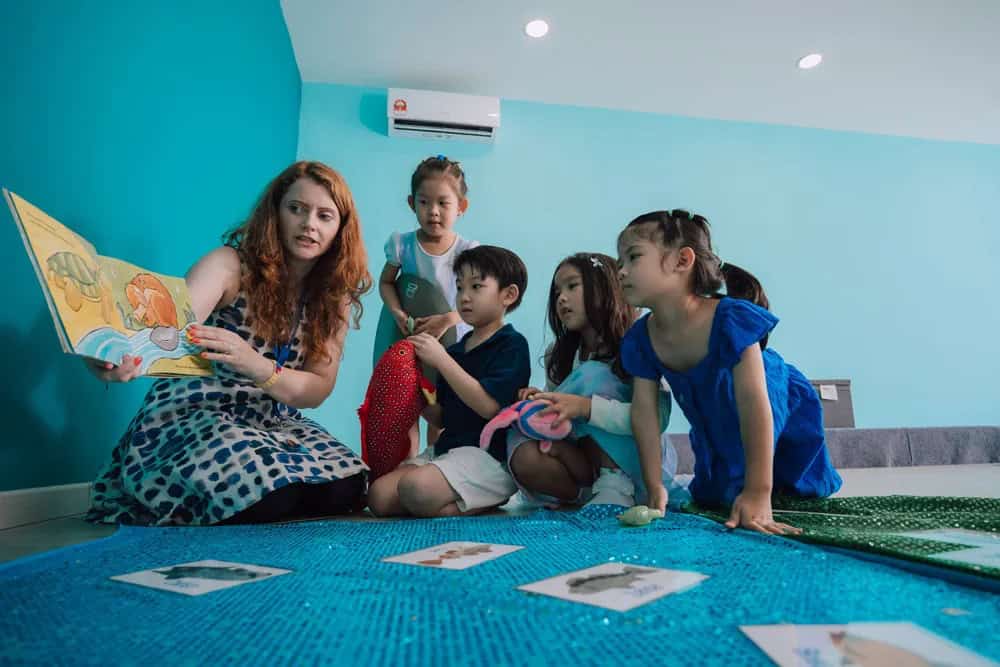
Parents want their children to grow in safe spaces. Finding the right care centre takes time and careful thought. A good Petaling Jaya day care offers more than just supervision. It provides structure, learning opportunities and peace of mind for working families.
Why Structure Matters for Young Children
Children thrive on routine. They feel secure when they know what comes next. A typical day includes playtime, meals, rest and activities. This pattern helps little ones understand time and builds confidence.
Regular schedules also prepare children for school. They learn to follow instructions and wait their turn. These small lessons shape how they handle bigger challenges later. Consistency at a day care centre in Petaling Jaya creates a foundation for healthy habits.
Morning arrivals often start with free play. Children choose toys and interact with friends. Staff use this time to observe social skills and spot any concerns early.
Safety Standards That Give Parents Confidence
A secure environment is non-negotiable. Check that gates lock properly and strangers cannot enter freely. Staff should always know where each child is. Outdoor areas need fencing and soft surfaces under climbing equipment.
Health measures matter just as much. Clean toilets, regular handwashing and proper food storage prevent illness. Ask about sick child policies. Centres should keep unwell children home to protect others.
Staff training makes a real difference. Carers need first aid certificates and background checks. They should understand child development stages. This knowledge helps them respond to needs appropriately.
Learning Through Play and Exploration
Quality care centres balance fun with growth. Children learn colours, shapes and numbers through games. Singing songs teaches rhythm and language. Art projects develop fine motor skills.
Outdoor time is vital for physical health. Running, climbing and jumping build strong muscles. Fresh air improves mood and attention spans. Even simple activities like watering plants teach responsibility.
Social skills develop naturally during group activities. Sharing toys requires patience. Working on puzzles together builds teamwork. These interactions teach empathy and communication.
How Trained Staff Support Individual Needs
Every child develops at their own pace. Good carers notice when someone struggles with speech or movement. They can suggest early intervention if needed. This support prevents small issues from becoming larger problems.
Staff also comfort anxious children. Starting at a new place feels scary. Patient carers help little ones settle through gentle reassurance. They might offer a favourite toy or involve the child in an activity.
Communication between staff and parents builds trust. Daily updates about meals, naps and activities keep families informed. Parents appreciate knowing how their child spent the day.
Preparing Children for Future Education
Day care serves as a bridge to formal schooling. Children learn to follow group instructions. They practise sitting still during story time. These skills ease the transition to kindergarten.
Language development accelerates through conversation. Staff talk with children throughout the day. They ask questions and encourage responses. This back-and-forth builds vocabulary and confidence.
Problem-solving skills emerge through guided play. When blocks fall down, children learn to try again. Staff encourage persistence without taking over. This approach builds resilience.
What to Look for During Your Visit
Schedule tours at different times. Morning visits show arrival routines. Afternoon stops reveal how staff handle tired children. Notice whether carers seem rushed or attentive.
Watch how staff interact with the children. Do they get down to eye level? Are they patient with questions? The atmosphere should feel warm and welcoming.
Ask about staff turnover. High rates might signal problems. Children benefit from familiar faces. Stable teams provide better continuity of care.
Making the Right Choice for Your Family
Choosing day care in Petaling Jaya requires research. Visit several centres and compare what they offer. Trust your instincts about the environment and people.
Consider practical factors too. Location affects your daily commute. Opening hours must match your work schedule. Fees should fit your budget without compromising quality.
The right centre becomes a second home. Your child builds friendships and learns valuable skills. Good care supports the whole family, allowing parents to work with confidence. Take time to find a place where your child will flourish.
